
Slow Travel vs. Traditional Tourism: A Comparison for the Conscious Traveler


Understanding Slow Travel
Slow travel emphasizes a deeper connection with a destination by prioritizing immersion over speed. This approach allows travelers to experience cultures, traditions, and lifestyles at a leisurely pace, fostering a meaningful connection with the place and its people.
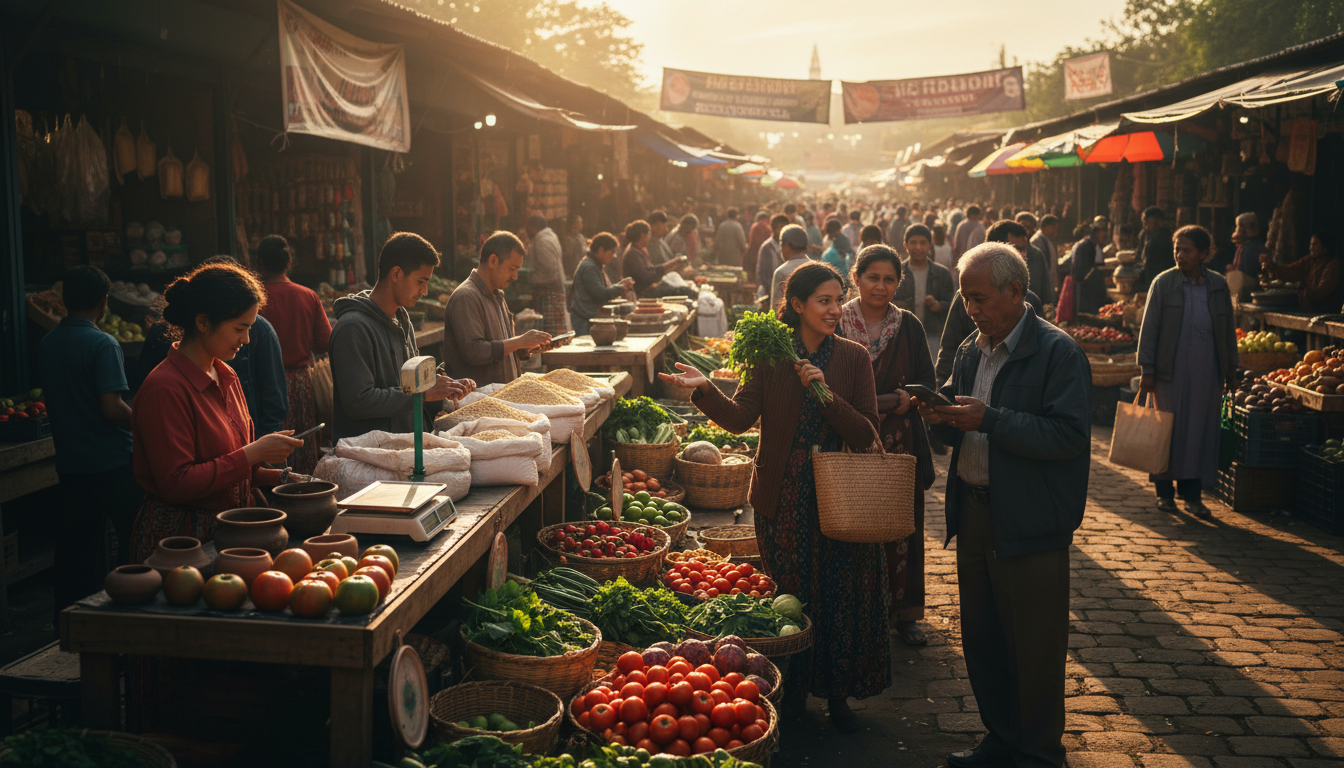
Rather than rushing from one tourist spot to another, slow travelers often spend extended periods in one location. They might rent a local apartment, shop at neighborhood markets, and participate in community events. This method not only supports the local economy but also provides a richer and more authentic travel experience.
Traditional Tourism: The Conventional Approach
Traditional tourism typically involves visiting well-known attractions within a limited timeframe. It focuses on seeing as much as possible, often through packaged tours and pre-planned itineraries. This form of travel is excellent for those who wish to explore multiple destinations quickly.
However, traditional tourism can sometimes lead to superficial experiences. Travelers may end up ticking off must-see sites without truly engaging with the culture or environment. This approach often results in higher costs and contributes to issues like overtourism and environmental strain.

Benefits of Slow Travel
Slow travel offers numerous advantages for conscious travelers. Firstly, it encourages environmental sustainability. By reducing frequent flights and long-distance travel, slow travelers minimize their carbon footprint. Additionally, slow travel supports local economies by promoting small businesses and local artisans.
Moreover, slow travel fosters personal growth. Travelers develop a deeper understanding and appreciation of different cultures and lifestyles. This can lead to transformative experiences, fostering empathy and global awareness.

Challenges of Slow Travel
Despite its benefits, slow travel presents certain challenges. It requires more time, making it less feasible for those with limited vacation days. The slower pace might also not appeal to those who enjoy fast-paced adventures and variety.
Slow travel demands a flexible mindset and the willingness to embrace uncertainties. This might be daunting for individuals who prefer structured plans and predictability in their travels.
Traditional Tourism: The Appeal
For many, traditional tourism offers a sense of excitement and variety. It allows travelers to see multiple countries and iconic landmarks in a short period. This form of travel is ideal for those who thrive on new experiences and quick changes in scenery.
Additionally, traditional tourism can be more affordable for short trips, as it often includes budget-friendly packages and deals. These advantages make it a popular choice for families and first-time travelers.

Finding Your Balance
The choice between slow travel and traditional tourism ultimately depends on individual preferences and goals. While slow travel suits those seeking depth and cultural immersion, traditional tourism caters to those who crave variety and excitement.
Consider blending both approaches. Spend a week exploring a single city in depth, followed by a whirlwind tour of neighboring areas. This hybrid approach allows travelers to enjoy the best of both worlds.
Conclusion: Making Conscious Choices
Whether you choose slow travel or traditional tourism, being a conscious traveler is about making informed decisions that align with your values and interests. Consider how your travel choices impact local communities, environments, and your personal growth.
Ultimately, travel is a personal journey. Embrace what resonates with you, and let your adventures be a reflection of your curiosity and respect for the world.